
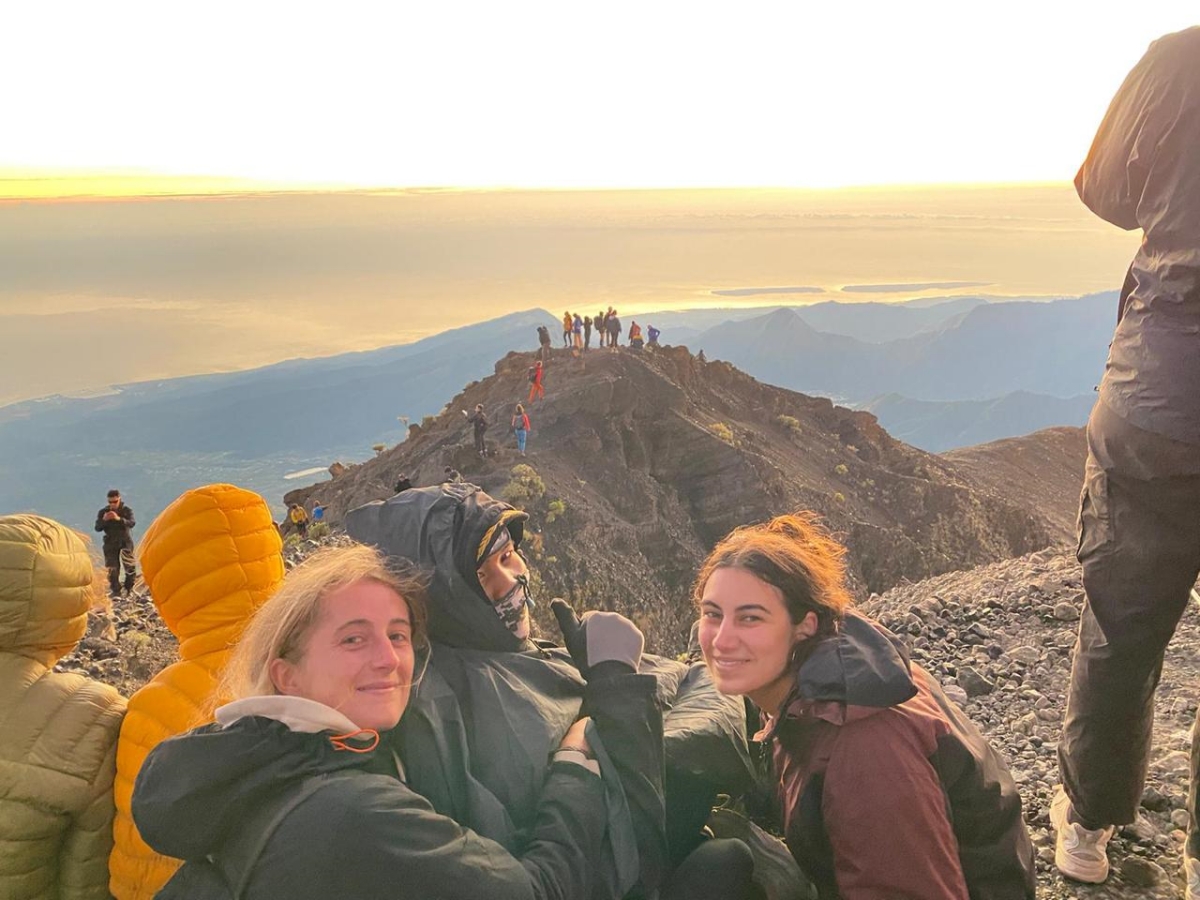
Mount Rinjani (3,726 m) is Indonesia’s 2nd-highest volcano, offering breathtaking views and a life-changing adventure. However, its challenging terrain, unpredictable weather, and high altitude demand serious preparation. Every year, injuries and evacuations occur due to underestimated risks. This guide focuses *exclusively on safety* to ensure your Rinjani climb is triumphant, not tragic.
– Steep, unstable trails with loose scree & volcanic rock
– Rapid weather shifts: Fog, rain, and cold (near-freezing summit)
– Altitude sickness risk above 2,500 m
– No emergency infrastructure on the mountain
– Mandatory local guide system (enforced since 2018)
—
✅ Verify License: Ensure they hold a Rinjani Trek Management Board (RTMB) permit.
✅ Guide Experience: Ask about guide training (first aid, altitude sickness response).
✅ Porter Welfare: Ethical operators provide fair pay, proper gear, and load limits (<25 kg).
❌ Avoid cheap “backstreet” deals—safety shortcuts cost lives.
– Train for 6+ weeks: Focus on cardio (hiking, stairs) and leg strength.
– Practice with Gear: Break in hiking boots before the climb.
– Realistic Itinerary: 3D2N is safer than 2D1N for acclimatisation.
– Footwear: Ankle-supporting hiking boots + spare socks.
– Layers: Thermal base, fleece, waterproof jacket, gloves, beanie.
– Headlamp (essential for summit night).
– First Aid Kit: Blister plasters, painkillers, diarrhoea meds, and personal meds.
– Water Purification: Tablets/filter (min 3L/day capacity).
—
– Ascend Slowly: Don’t “rush—”Pole Pole” (slowly, slowly) saves lives.
– Hydrate Constantly: Drink even if not thirsty.
– Know Symptoms: Headache, nausea, dizziness = STOP & inform your guide.
– Descend immediately if symptoms worsen (only cure for AMS).
– Never hike alone—trails are poorly marked.
– Follow guide instructions regarding weather, pace, and rest stops.
– Communicate fatigue or discomfort early.
– Summit Attempts: Abort if there’s wind, rain, or poor visibility.
– Steep Sections: Use trekking poles for stability on loose descent scree.
– Camp Safety: Secure tents away from cliff edges and landslide zones.
– Avoid untreated water—use purification.
– Confirm meals are freshly cooked and hot.
– Pack high-energy snacks (nuts, chocolate, energy bars).
—
1. Emergency Contacts: Save the RTMB Office (+62 370 6608874) and your operator’s number offline.
2. *Evacuation Insurance:* Mandatory—ensure your policy covers helicopter rescue.
3. Satellite Phone: Ask if your guide carries one (many reputable operators do).
—
– Monitor Health: Seek medical help if experiencing severe fatigue, cough, or leg pain post-trek.
– Report Issues: Inform RTMB of unsafe trail conditions or guide negligence.
—
– Guide & Operator Choice = 70% of your safety. Don’t compromise.
– Respect Altitude: Acclimatise, hydrate, and descend if needed.
– Weather Dictates Decisions: Turn back if conditions worsen.
– Insurance is not optional.
– Fitness Prevents Fatigue-Related Accidents.
—
Climbing Rinjani is an epic achievement—but only if you return safely. Prioritise preparation, heed your guide, and respect the mountain’s power. Your safety is the summit that matters most.